
Should You Use Hardwood Flooring In The Bathroom?
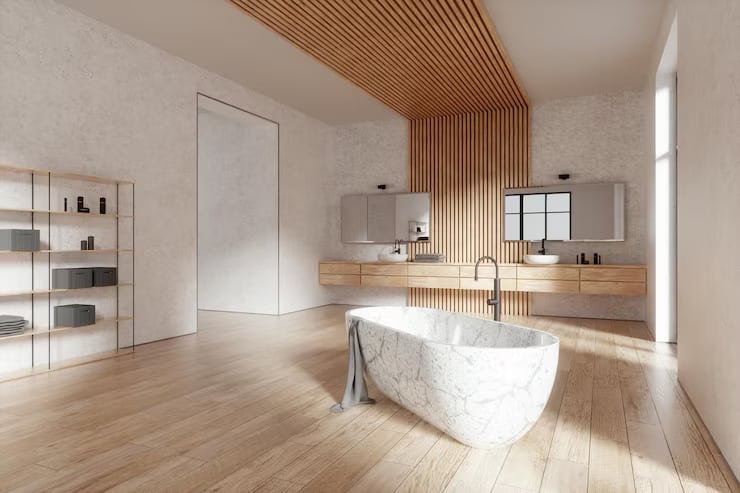
Regarding bathroom flooring options, other materials might come to mind because of the many options. Typically associated with living rooms and bedrooms, hardwood flooring is known for its elegance and timeless appeal.
However, with advancements in sealants and finishes, this flooring has become a viable choice for bathroom renovations, offering a unique blend of warmth, beauty, and viability.
But is it the right option for your bathroom? Let's get in touch with the pros and cons of hardwood flooring in bathrooms so you can make an informed decision.
The Real Definition and Meaning of Hardwood Flooring
Hardwood flooring is made from solid wood planks cut from various hardwood species, such as oak, maple, or teak. Unlike engineered wood or laminate flooring, this wood flooring is composed entirely of solid wood, making it a highly sought-after and premium option. The planks are typically milled with tongue-and-groove edges, allowing them to fit together seamlessly during installation.
One of the distinguishing features of hardwood flooring is its natural grain patterns and rich colour variations, which add character and visual appeal to any space. This unique beauty is further enhanced by the wood's natural lustre, which can be accentuated through stains and finishes.
Hardwood flooring comes in various widths, lengths, and thicknesses, allowing for flexibility in design and installation. It can be installed using different methods, including nail-down, glue-down, or floating installation, depending on the specific type of hardwood and subflooring.
Now that we understand the meaning and characteristics of hardwood flooring let's explore the pros and cons of using this material in bathrooms.
Pros of Hardwood Flooring in Bathrooms
- Natural Elegance: Hardwood flooring adds a touch of natural beauty and sophistication to any space, including bathrooms. It creates a warm and inviting atmosphere that can enhance the overall design of your bathroom.
- Durability: Properly sealed hardwood flooring can withstand moisture and humidity. Hardwood floors with a higher hardness rating, such as oak or teak, are particularly resistant to scratches and dents, making them suitable for high-traffic areas like bathrooms.
- Timeless Appeal: Hardwood flooring has a classic and timeless charm that can enhance the value of your home. If you're looking for a long-term flooring solution that will stay in style, hardwood is a great choice.
- Easy to Clean: Keeping hardwood floors clean and in good condition is not difficult. Regular sweeping and occasional mopping with a hardwood floor cleaner will keep them looking their best. It's essential to wipe up any spills promptly to prevent water damage.
- Allergen Reduction: Unlike carpeting, which can trap allergens such as dust, pollen, and pet dander, hardwood flooring provides a hypoallergenic surface that is easier to keep clean and free of allergens. This can be particularly beneficial in bathrooms where moisture and humidity promote mould growth and mildew, contributing to respiratory issues. Hardwood floors minimise the accumulation of allergens, creating a healthier environment for you and your family.
- Compatibility with Radiant Heating: If you're considering installing radiant heating in your bathroom, hardwood flooring can be an excellent choice. The natural thermal properties of wood make it a suitable material for underfloor heating systems. Hardwood floors can effectively transfer and retain heat, providing a cosy and comfortable experience during colder months unlike bamboo flooring in Adelaide.
The following section will discuss the potential drawbacks of using hardwood bathroom flooring.
Drawbacks or Cons of Installing Hardwood in Bathrooms
- Moisture Concerns: Bathrooms are naturally humid environments, and excess moisture can cause hardwood floors to warp, cup, or buckle over time. Although properly sealed hardwood flooring can resist moisture to a certain extent, it's crucial to wipe up any water spills immediately and ensure proper ventilation in the bathroom.
- Risk of Water Damage: Bathrooms are prone to splashes and spills, especially around sinks, bathtubs, and showers. Hardwood flooring can still be vulnerable to water damage if exposed for extended periods despite sealing. Constant vigilance and prompt cleaning are necessary to prevent potential harm.
- Cost Considerations: Hardwood flooring tends to be more expensive than other bathroom flooring options, such as vinyl or tile. The installation process can also be labour-intensive, adding to the overall cost. If you're on a tight budget, there may be more economical choices than hardwood flooring.
- Maintenance Requirements: Hardwood floors require regular maintenance to ensure their longevity. Periodic refinishing may be necessary to address wear and tear, increasing maintenance costs.
Conclusion
In conclusion, hardwood flooring can add a touch of elegance and warmth to your bathroom. While it offers many benefits, such as durability and timeless appeal, there are also considerations to consider, such as moisture concerns and higher costs. If you decide to install hardwood flooring in your bathroom, choose a hardwood species with good moisture resistance and work with a professional installer like First Choice Flooring, who is experienced in bathroom installations. Ultimately, the decision should be based on your style, budget, and willingness to maintain the flooring properly.