
How to Install Flooring Like a Pro: A DIY Guide
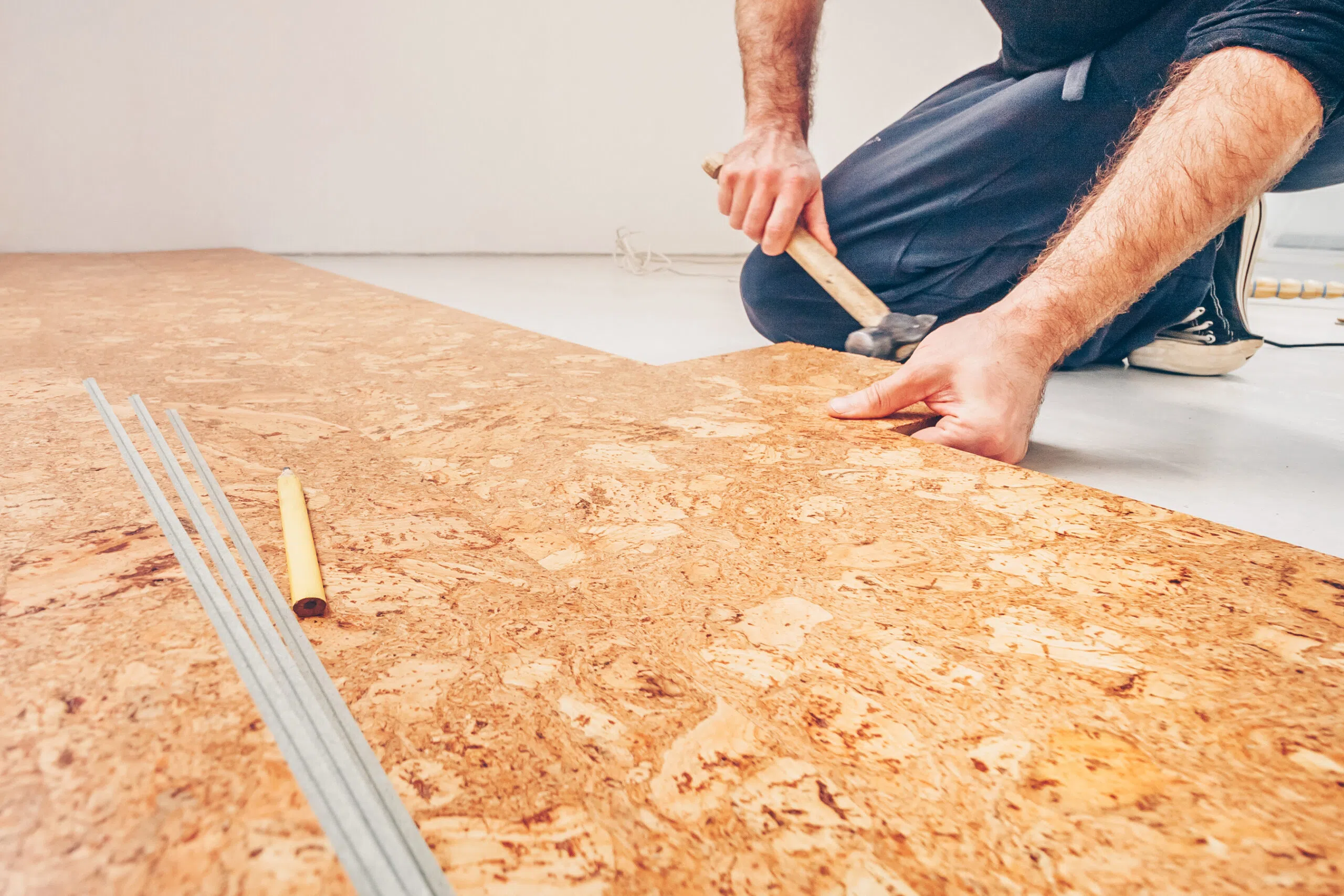
Are you tired of looking at the same flooring in your home? Eager to transform your space without straining your finances? If you find yourself navigating a tight budget, fear not. DIY flooring is the perfect solution for you!
In this blog post, we will walk you through the steps on how to install flooring like a pro. We will cover everything from choosing the right flooring material to measuring and cutting the boards.
So whether you are a beginner or a seasoned DIYer, this guide is for you. By the end of this post, you will be well on your way to Flooring Installation like a pro!
Choosing the Right Flooring Material
Selecting the right flooring for your space is important, as this will decide how your home looks and works. Let's explore this process together to ensure you pick the best option for your wants and needs.
Different Types of Flooring Materials
Flooring materials come in many different types with various advantages and disadvantages. Some of the most popular types of flooring materials include:
- Hardwood: Hardwood flooring is made from special trees like oak, maple, and walnut. It is really strong and can last a long time. Nevertheless, hardwood flooring can be pricey and necessitates consistent upkeep.
- Laminate: Laminate flooring is a budget-friendly alternative to hardwood flooring. It is made from a composite material designed to look like real wood.
- Vinyl: Vinyl flooring is a waterproof and moisture-resistant material that is ideal for high-traffic areas. The installation cost is relatively low compared to hardwood, and it can be easily installed. However, vinyl flooring can be noisy and does not offer the same level of warmth and elegance as hardwood flooring.
Tile: Tile flooring is a durable and long-lasting material that is available in a variety of styles and colours. It is also a good choice for areas with high moisture levels. It is, however, not always easy to install tile flooring.
Factors to Consider When Choosing a Flooring Material
When choosing a material for DIY flooring , there are a few factors you should consider, such as:
- Durability: How durable do you need the flooring to be? If you have young children or pets, you will need a flooring material that can withstand a lot of wear and tear.
- Cost: How much are you willing to spend on flooring? Hardwood flooring is the most expensive option, while laminate and vinyl flooring are more budget-friendly.
- Appearance: What kind of look do you want for your flooring? Hardwood flooring offers a traditional look, while laminate and vinyl flooring can be made to look like various materials, including hardwood, stone, and tile.
- Maintenance: How much care are you willing to do? Hardwood flooring requires regular polishing and waxing, while laminate and vinyl flooring are low-maintenance.
- Installability: How easy is the flooring to install? Hardwood flooring is the most difficult to install, while laminate and vinyl flooring are relatively easy to install.
Measuring and cutting the boards
Measuring the Area of Your Floor
- Measure the length and width of the room. Be sure to measure from wall to wall, not just from the edge of the carpet to the edge of the wall.
- Add 6 inches to each dimension to allow for expansion and contraction.
- By multiplying the length by the width, you can find the square footage of a room.
Cutting the Boards to Size
- Use a sharp saw to cut the boards to size.
- Make sure to cut the boards square.
- If you are cutting boards for a hardwood floor, be sure to bevel the edges.
DIY Floor Installation
Before you start with your DIY floor installation, here are the steps you should consider:
- Prepare the subfloor
- Install the underlayment
- Install the flooring
Following are the some general tips you should be aware of:
- Start by installing the first row of boards in the centre of the room and work your way out.
- Make sure the boards are level by using a level.
- If you are using nails or screws, make sure to drive them in straight and flush with the surface of the boards.
- If you are using glue, apply it evenly to the back of the boards.
- Allow a small gap between the boards so that they can expand and contract.
Once the flooring is installed, you may need to finish it. This may involve sanding, staining, or sealing the flooring.
Summary: DIY flooring is the perfect solution if you are tired of looking at the same old flooring in your home and want to transform your space without straining your finances. Following the tips in this blog post, you can learn how to install flooring like a pro.